My year in reading was all about luxuriating in lovely ruts. Why does a rut always have to mean something negative, or stagnant, or boring? Sometimes a rut is a real groove, and you roll along, picking up speed, feeling the wind rustle your hair, the music blaring, like, “Yeah, baby, this is IT!”
I did try to be serious and intentional at the start of the year. I told myself I would read more nonfiction, the kind about politics and climate change and feminist theory. Become more informed and intellectual. But then…I just didn’t feel like it. Instead, I gravitated toward reading a string of journals and memoirs of women writers about their craft and lives and work. I read Rebecca Solnit’s Recollections of My Non-Existence, May Sarton’s Journal of a Solitude, Sempre Susan by Sigrid Nunez (QUEEN), and A Horse at Night by Amina Cain, to name a few. I couldn’t get enough of being inside the cogs and wheels of their brains, of feeling relieved to discover that even these exceptional artists and actualized creators harbored wild insecurities and petty obsessions and deep grudges, of the tiny details about their writing desks and processes and fixations.
Simultaneously, for some reason we were never able to account for, my beloved book club also became fixated on body horror. We voted to read Crash by J.G. Ballard, Bora Chung’s Cursed Bunny, and Mariana Enriquez’s The Dangers of Smoking in Bed in quick, gory succession. These novels and stories pushed me out of my comfort zone—literally, as sometimes what we were reading made me physically recoil with discomfort—but offered a great adventure. (Although, I did loudly advocate we take a break from the genre, at least for the time being. I’m happy to report my plea was heard.)
So yeah, 2023 was rutty as hell! And I loved it. It gave me the opportunity to think deeply, to connect the dots between different books and writers, to indulge in tiny obsessions. Were you in a reading rut of your own this year? If so, I’d love to hear about it. If not, might I propose trying one out? Think about it, and in the meantime, here are 12 of my favorite books and poems published in the last year. Maybe one of them will spark a revelatory rut of your own:
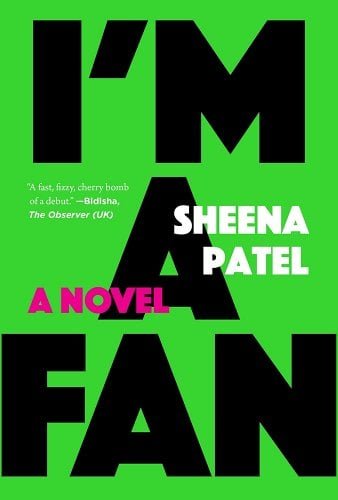
I’m a Fan by Sheena Patel: Truly a banger. Patel uses an all-consuming, self-destructive crush as the lens through which to examine white feminism, misogyny, social-media envy, and all the various toxicities of our time. I loved the narrator’s ferocious rants about the Instagram influencer she despises but also wants to be, her unabashed hunger for fame, and the internal monologues wherein she justifies her increasingly obsessive behavior. It’s an uncomfortable read for the ways it skewers all our worst impulses while refusing to excuse the injustices done against women over and over and over again. But it’s the kind of squirminess that has real value.
“American Sonnet for the New Year” by Terrance Hayes: I just read this poem last night and was like, fuck it, this is making THE LIST. Hayes so captures the futility and necessity of hopefulness, and the particularly American insistence that things have taken some kind of shocking turn that no one saw coming instead of just, like, reaching their natural conclusions or being a more obvious version of what has always been. Anyway, this resonates so deeply in this precise American moment, when I think so many of us are feeling a sense of ominous pre-exhaustion at the prospect of what new horrors 2024 can possibly bring. (I personally am not sure how I can physically or spiritually survive another Trump campaign!)
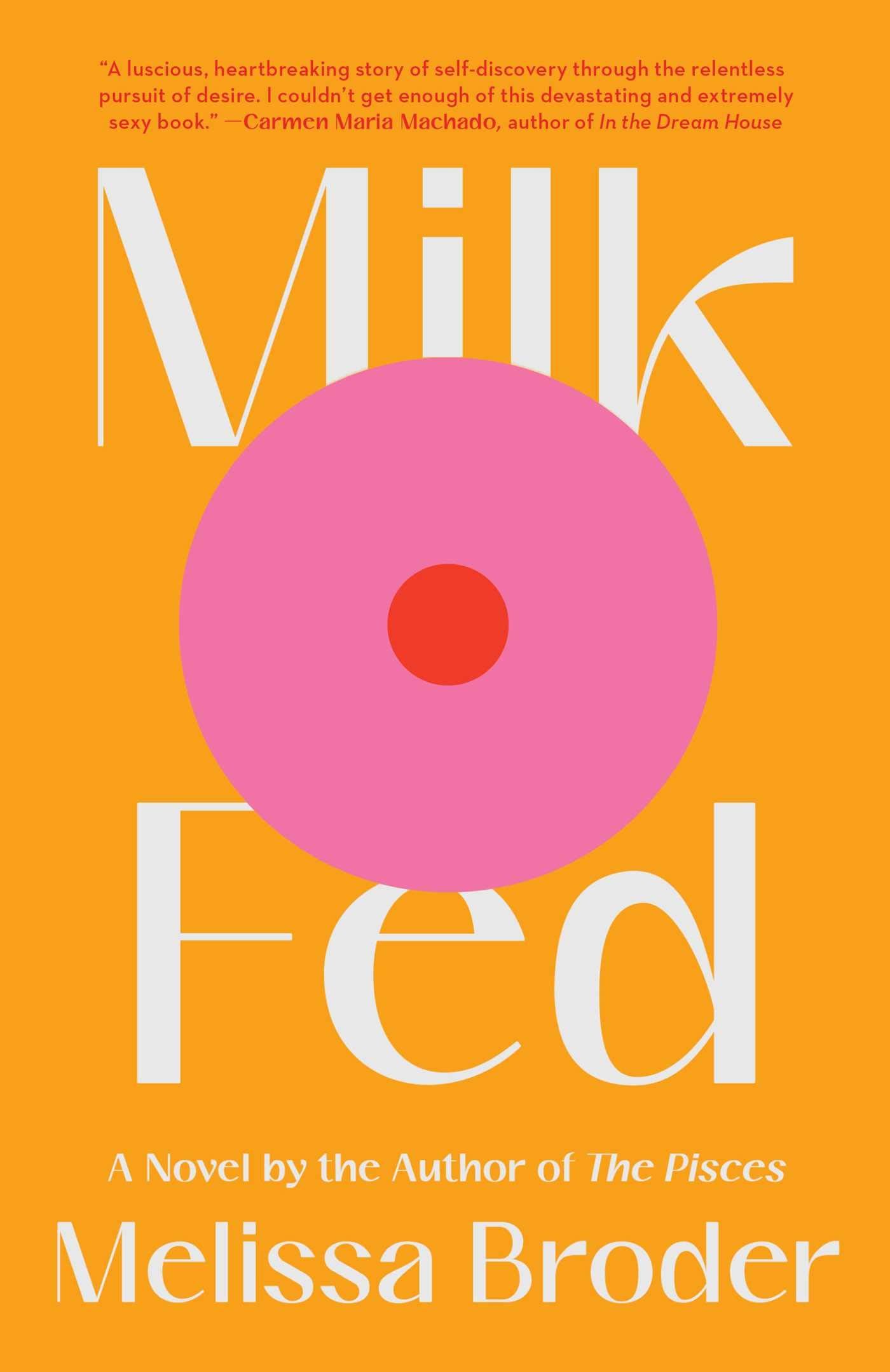
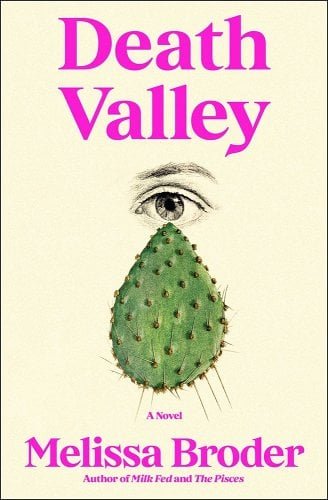
Death Valley by Melissa Broder: I have loved Broder’s writing since stumbling on her @sosadtoday Twitter feed many years ago. It’s goofy and exposed and simply refuses to be embarrassed by the indignities of being human. This is a book that contends with grief as honestly as possible by using a surreal frame: the protagonist journeys out into the Joshua Tree-adjacent desert to work on her book while her dad is on the edge of death in the hospital. On a hike, she stumbles upon a magical cactus. Inside it, she experiences a kind of revelatory hallucination, and even comes up against death herself. While the tone and style are starkly different, this novel shares elements in common with Sheila Heti’s also wonderful Pure Colour, a book that was on my list last year.
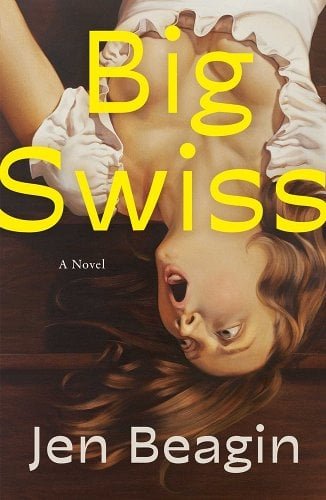
Big Swiss by Jen Beagin: The plot of this book is easy enough to describe: when a psychiatrist’s transcriber becomes obsessed with one of his patients, all manner of chaos is unleashed. The many unhinged delights of this book, however, are harder to capture. Simply put, I haven’t had this much fun reading in eons. Big Swiss is extremely sexy, delightfully weird, and the kind of book you’ll want to give to all your friends.
Doppelgänger: A Trip Into the Mirror World by Naomi Klein: During the pandemic, the writer Naomi Wolf retweeted something I posted on Twitter about masking, holding it up as an example of pandemic hysteria and mass brainwashing. I can’t remember exactly what I’d said; it seemed pretty innocuous. I do remember that I just kind of rolled my eyes as my replies became a hot mess. Because by then, I was already aware that she—the writer of The Beauty Myth, who shaped a lot of my early understanding of feminism as a teen—had fallen (or actively plunged herself) down the COVID-denier, right-wing rabbit hole. Also very aware of this was Naomi Klein, another cultural critic and writer, who was being constantly confused for “that Naomi”—at first online, but then increasingly in real life. In fact, the Wolf/Klein confusion became so maddening and pervasive, Klein wrote an entire book about it. Or, more accurately, she wrote a book about all the things it brought up about the rise of COVID conspiracies, our tenuous identities, the way we treat the internet as both not really real and also the ultimate harbinger of who is right and wrong, good and bad. This is a fascinating, meandering meditation on all those things—including a particularly timely recounting of a trip Klein took to Israel and Gaza—that is worth your time.
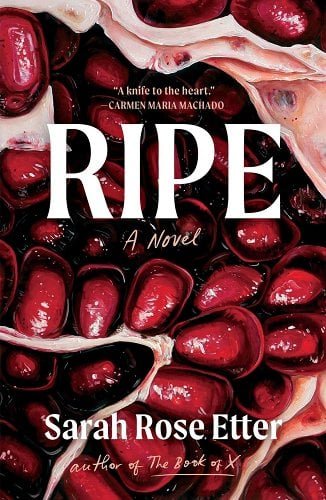
Ripe by Sarah Rose Etter: This is a fierce little shiv of a book. Etter tells the story of a writer who lands a “dream job” at a Silicon Valley tech firm and how she grapples with the ensuing alienation and complicity that eventually threaten to destroy her. The writing here is spare and effective. The plot is smart and taut. And coming-of-age stories that tackle the transition from nascent to “real” adulthood always do it for me.
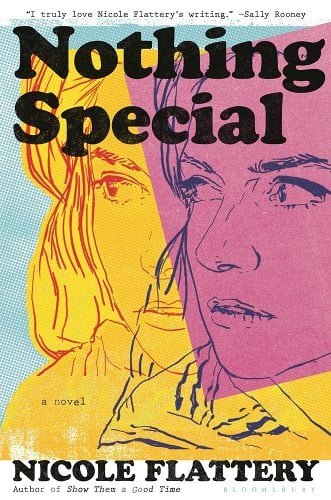
Nothing Special by Nicole Flattery: I loved this book about a wallflower teen typist who ends up working at Andy Warhol’s Factory. It captures all the particular textures of 1960s New York City—or, at least, the textures I’ve always imagined and harbored a totally unearned nostalgia for—in a story that’s as tender as it is cynical about growing up, art-making, and how we both discover and shape the people we become.
The Creative Independent newsletter: One of the best things I do for myself every week is taking the uninterrupted minutes required to read this newsletter. It’s full of interviews with writers, painters, filmmakers, composers, critics, producers, and all manner of “creatives”—sorry to employ what has become a deeply cringe term—that bring me comfort, inspiration, and new ways of thinking. My favorite thing is discovering some useful pebble of wisdom from an artist who works in a medium I could never fathom attempting—like, say, stand-up comedy or playwriting. Do yourself a favor and, in the parlance of the YouTube era, SLAM that subscribe button.
The Guest by Emma Cline: Was this book one of my actual favorite things I read this year? Probably not. Not to say it isn’t extremely well written and totally gripping! It’s an elevated beach read about a desperate woman determined to cling to the tenuous, wealth-adjacent life she’s stumbled into in the Hamptons, at all costs. But what I truly loved about this book was less the book itself than the conversation around the book. It is increasingly difficult for a novel to become this kind of cultural talking point or bellwether anymore as the internet and society at large become more fragmented. But if you weren’t reading this book this Summer, someone at a dinner party was probably asking you if you’d read this book, or you were seeing a picture of someone resting this book on their bare legs poolside on Instagram, until you finally caved or at least read a summary of it online so you could be part of the literary moment. How fun was that feeling?! Very.
“What if We Call This Tenderness” by Sampson Starkweather: I could read this poem 1,000 times, and I’ve definitely read it dozens since it was first published in The New York Times in September. It is such a sweet, dark ode to longing and loneliness under late capitalism.
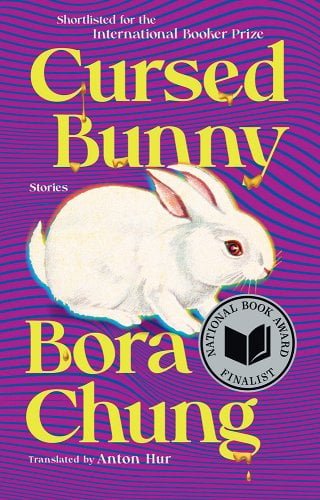
Cursed Bunny by Bora Chung: This was one of my book club’s picks this year, and one of my favorite things we read together. (Please do not ask me if you can join this club, because the waitlist is long, and the membership is highly exclusive. After all, I’m in it.) Chung’s short stories bridge magical realism, body horror, and fairy tales in inventive, funny, sometimes terrifying ways. From the opening story, about a woman who is haunted by a literal shit monster, you know this book is going places you haven’t gone before. And if you’re smart, you will surrender completely to the ride.
As an honorable mention, I must shoutout my friend Gabrielle Korn’s new queer sci-fi novel, Yours For the Taking. It came out earlier this month to glowing reviews from people far more influential and relevant than myself, and is next on my TBR pile. I can’t wait.